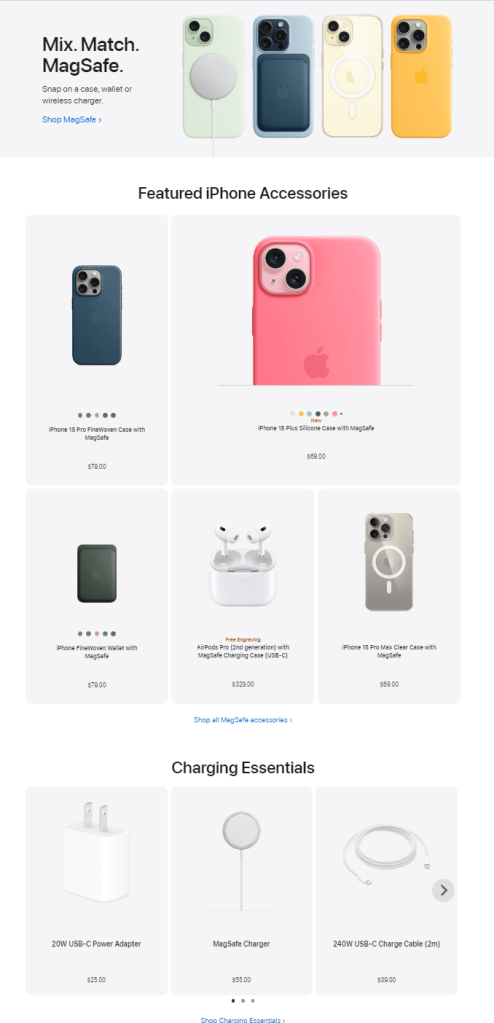
Figure 1 Apple Accessories featured on the Apple website.
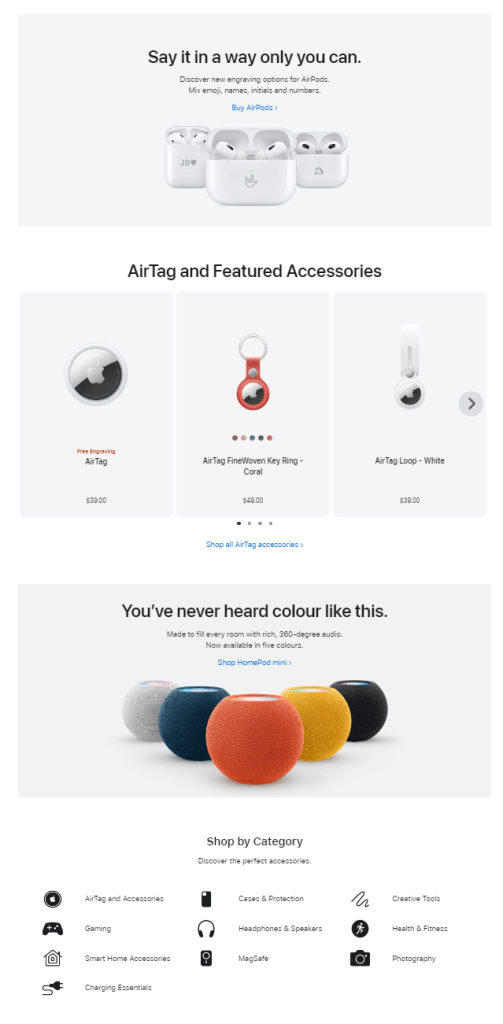
Figure 2 Apple Accessories featured on the Apple website.
As I move closer to finalizing the marketing strategy for my proposed product, the Apple Stylus for iPhones, I can confidently state that my market research reveals a strong alignment with Apple’’s organizational objectives and emerging industry trends. However, while my findings look promising, there are always drawbacks. In today’s blog post, I aim to delve into how my research supports Apple’s goals, aligns with legal and ethical standards, responds to industry trends, and the inherent challenges I faced in my approach.
Supporting Organizational Goals
Apple Inc. has consistently aimed to innovate products that enhance user experience and maintain a robust ecosystem of devices and accessories. The market research conducted has reinforced the viability of the Apple Stylus as a complementary product that meets the increasing demands for precision and function in mobile devices (Johnson, 2019). This indicates a strong interest among urban tech-savvy consumers and professionals, supporting Apple’s objective to expand its market reach and enhance customer satisfaction through innovative accessories.
Industry Trends and Implications
The rise of remote work and studies and the ever-increasing reliance on mobile devices for consumers and professionals alike highlight the growing trend in the mobile accessory market. My research identified a demand for tools that enhance productivity and creativity, such as styluses that offer precision for tasks like drawing, note-taking, and navigating complex digital interfaces, even integrating AI for more advanced needs (Ajaz, 2024). Looking to the future, the integration of styluses could become more common, potentially leading Apple to pioneer new technologies in this space and reinforcing its leadership in innovation especially with Apple’s recent launch of the Apple Vision Pro where they immerse their users into Apple’s ecosystem. An Apple Stylus could prove to be the next big step of integrating those technologies in this growing market (Persistence Market Research, 2023).
Alignment with Standards
My proposed marketing strategy for the Apple Stylus adheres to stringent legal and ethical standards that are set out by Apple. I recommended that to ensure compliance with advertising laws, it will be important to provide transparent and honest product descriptions just as Apple has done and continues to do. Ethically, I suggest the focus on promoting the Stylus’s benefits without overstating its capabilities, which respects consumer rights and fosters trust. In addition, there should be transparency as to which other devices the Stylus is compatible with so that consumers can make the right choice for themselves. Features like AI technology if incorporated into the Stylus must also be in line with FTC standards for transparency (Lalla, Culp, & Meyers, 2023). These approaches align with industry best practices and Apple’s own standards for integrity and quality.
Encountered Limitations
One of the primary limitations in my market proposal development was the scarcity of specific data relating to stylus usage among iPhone users, as most existing research focuses more generally on mobile accessories or Apple’s overall consumer base. This gap made it challenging to tailor my recommended product development exclusively to iPhone users’ precise needs without broader assumptions. The mix of data and limits of industry reports can lead to not fully capturing the preferences of my target market preferences.
Conclusion
Despite these challenges, the research journey for the Apple Stylus has been immensely insightful. I am not only responding to current trends, but also anticipating future needs, positioning Apple to continue its tradition of excellence and innovation in an ever-evolving market. As I continue to refine my strategy, these preliminary findings will guide me in strengthening my research brief proposal to ensure it not only meets but exceeds market expectations.
References
Ajaz, F. (2024). From Pencil to Pixel: Navigating the Shift from Traditional to AI-Assisted Design. Digital Tools Mentor. http://www.bestdigitaltoolsmentor.com/ai-tools/design/from-pencil-to
-pixel-navigating-the-shift-from-traditional-to-ai-assisted-design/.
Apple (CA). (n.d.). Buy iphone accessories. https://www.apple.com/ca/shop/iphone/accessories
Johnson, D. (2019). The Apple Pencil doesn’t work with the iPhone, but other styluses do— here’s how it works. Business Insider. http://www.businessinsider.com/guides/tech/does-the-apple
-pencil-work-on-iphone.
Lalla, V., Culp, K., & Meyers, S. (2023). AI Byte: Top 10 best practices for ethical and transparent AI product advertising. Fenwick. http://www.fenwick.com/insights/publications/top
-10-best-practices-for-ethical-and-transparent-ai-product-advertising.
Persistence Market Research. (2023). Consumer electronic accessories market. http://www.persistence
marketresearch.com/market-research/consumer-electronic-accessories-market.asp.

Leave a comment