Where Access Becomes The Real ‘Prescription’

Buying glasses is not a casual purchase.
It’s personal. It affects how you see, how you look, how you function every single day. And realistically, you’re often locked into one pair for at least two years. Insurance limits your options. Brick-and-mortar stores restrict you to whatever is physically sitting behind the glass display. Pricing is often opaque and inflated, even with coverage.
As someone who wears prescription glasses myself, I know how exhausting that process can be. I once received a pair that gave me persistent headaches. I was told that was “normal,” that my eyes just needed time to adjust. Two weeks later, it turned out the lenses had been installed upside down.
That experience stayed with me.

That’s why when I read the Warby Parker case in Strategic Social Media: From Marketing to Social Change, it immediately clicked. The founders identified what they described as a simple but significant problem: glasses were too expensive. According to the Warby Parker website, the eyewear industry had been dominated by intermediary structures that kept prices artificially high.
They weren’t analyzing the market from a distance. They were consumers themselves. They had lived that friction.
And lived experience changes how you build solutions.

If I had to summarize Warby Parker in one word, it would be access.
They granted access to price transparency, to direct communication, to stylish frames without inflated markups, and the biggest access of all was to global vision through their Buy a Pair, Give a Pair program.
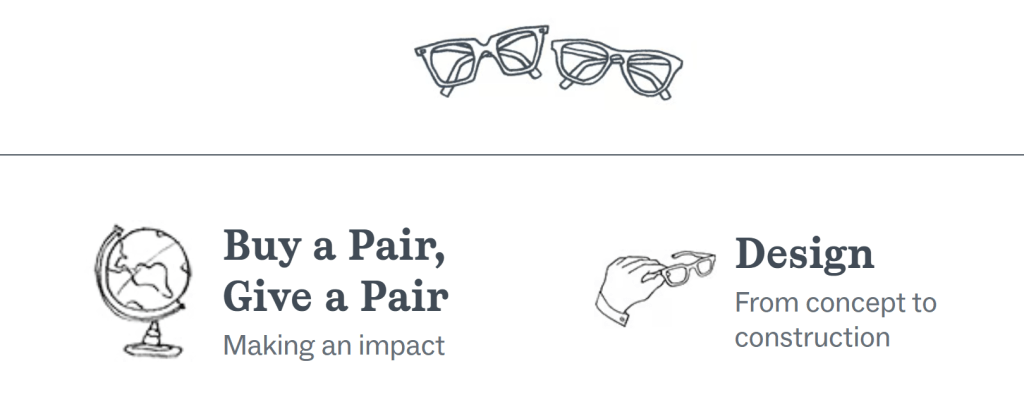
On their History page, they state that they were founded to provide “higher-quality, better-looking prescription eyewear at a fraction of the going price.” Event the language they use to communicate to their consumers is accessible. It’s simple. Clear. Direct.
Access is not just part of their messaging. It’s embedded into every part of their business model.
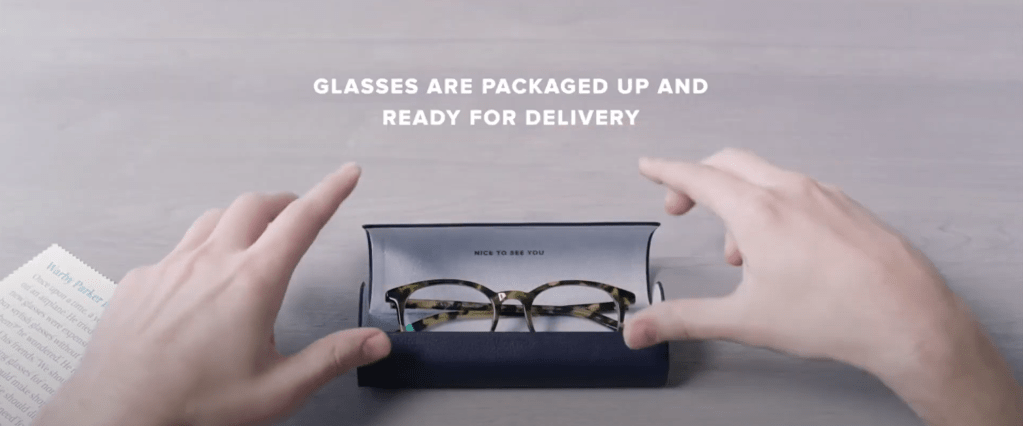
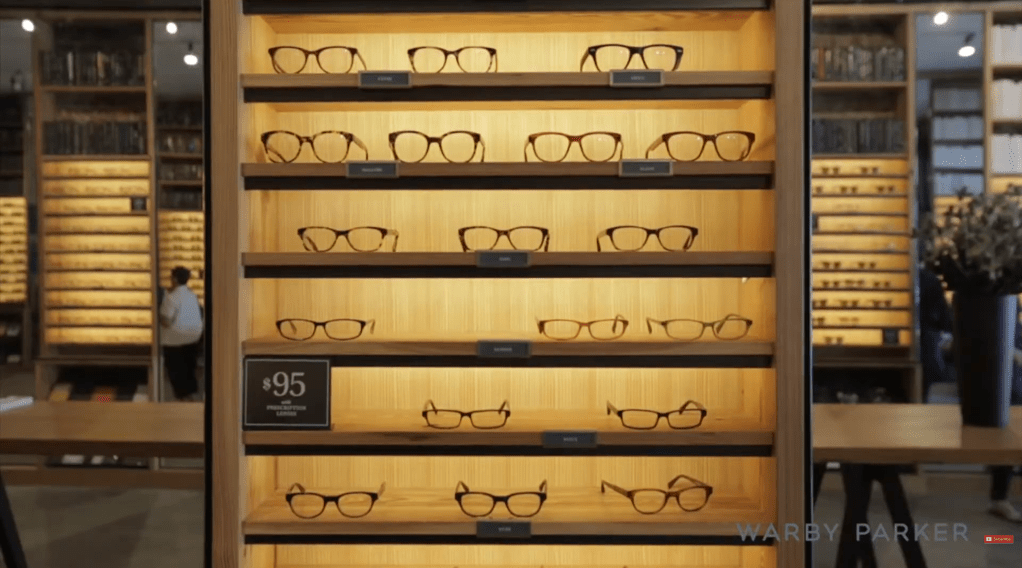
One of the most talked-about elements of their strategy is the Home Try-On program. The case study highlights how customers were encouraged to post photos wearing their frames, which reduced dissonance and increased purchase rates.
But I would push this further.
The genius of the Home Try-On program was not just that it was shareable. It was that it reduced friction and absorbed risk.
Warby Parker shipped five frames to customers at no upfront cost. They covered shipping both ways. Customers could return everything without penalty. In other words, the company trusted first.
From a psychological standpoint, that changes the dynamic entirely. When a company is willing to send nearly $500 worth of product to a stranger and say, take your time, it signals confidence and stability. That risk absorption reduces cognitive dissonance more effectively than any advertisement ever could.
As we discussed in Module Two, community influences decision-making. By allowing customers to try frames at home, in their own lighting, with their own wardrobe, and often with input from their social circle, Warby Parker shifted the environment of the decision. The consumer was no longer pressured inside a retail space. They were empowered.
Shareability was a byproduct. Friction reduction was the strategy.
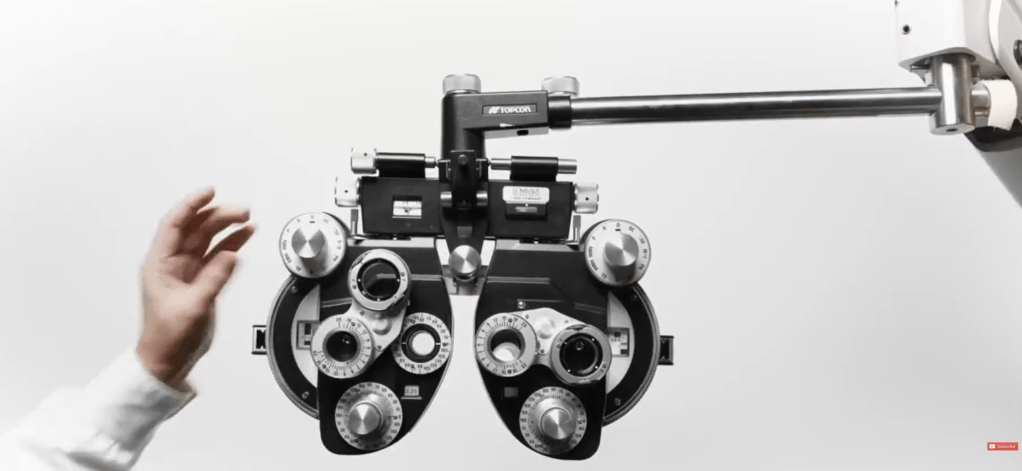
The case study describes Warby Parker as encouraging transactional communication through social media. I understand that framing. A transaction is an exchange, it’s brief and functional.
But I don’t fully agree with that characterization.
What Warby Parker cultivated was relational equity.
They were able to achieve that through actively responding to comments across their social media platforms. They created educational YouTube videos explaining eyewear challenges. They invited customers into brand storytelling rather than pushing linear advertisements.
As we examined in Module Three, social media shifts power toward consumers. Brands no longer control the entire narrative. Warby Parker recognized that shift early and leaned into it. They cut out the middleman not only in manufacturing, but also in communication.
They became directly accessible and accessibility builds intimacy.
The case study in our textbook notes that customers who posted photos wearing their frames purchased at twice the rate of those who did not. That statistic is often framed as proof of transactional engagement. To me, it signals something deeper.
Participation increases emotional investment and emotional investment is relational.
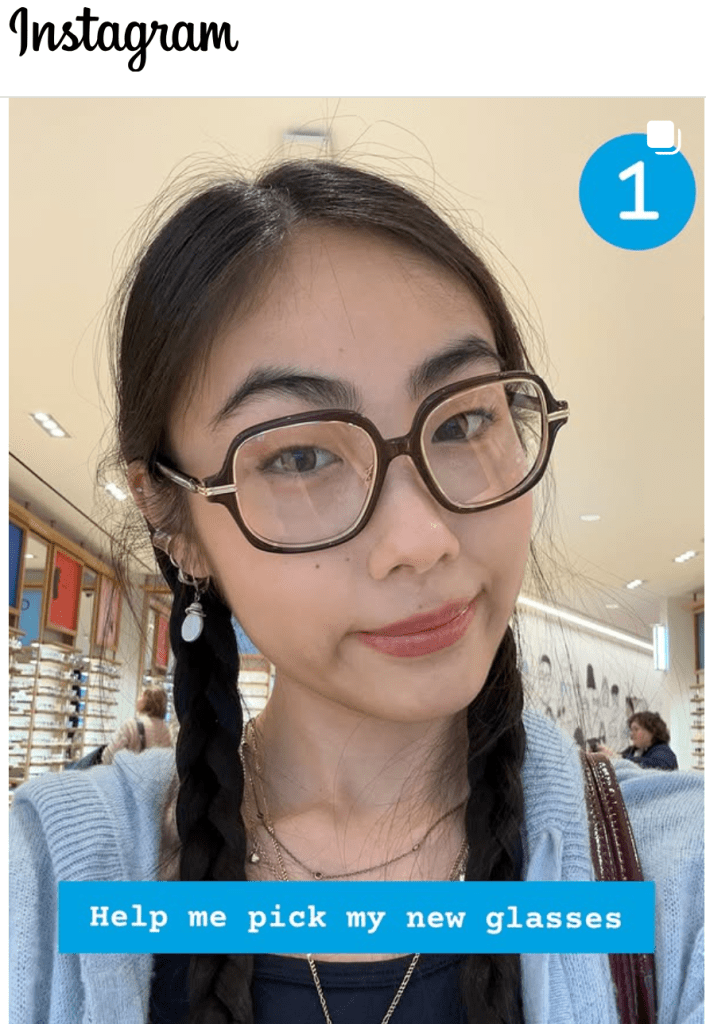
The Buy a Pair, Give a Pair program is often framed as a socially conscious extension of the brand. I would argue it was embedded from the beginning.

Warby Parker identifies that over one billion people globally lack access to glasses. Their response was not to create a charitable side project. It was to integrate global access into every single sale.
That aligns with the broader theme of this course: social media marketing is not only about promotion, but about social change.
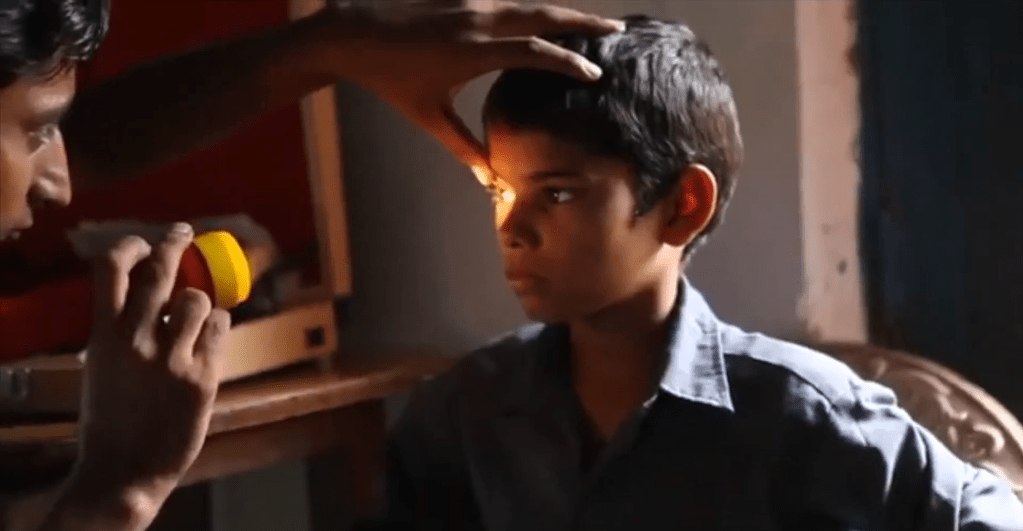
When a brand’s core model expands access both locally and globally, loyalty becomes more than preference. It becomes alignment.
Customers are not just buying frames. They are participating in expanded access.
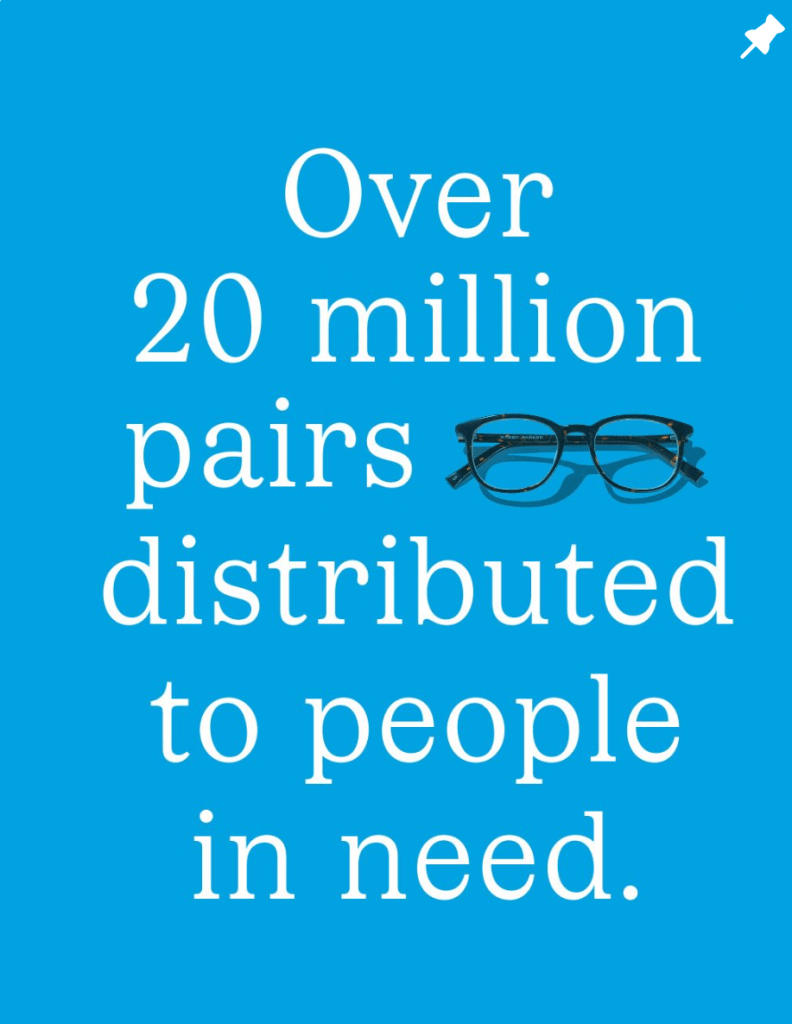
What Warby Parker ended up doing was more than changing how frames are sold. They changed what consumers expect from the entire experience. They made access the standard. Access to price transparency. Access to direct communication. Access to quality and design without inflated markups. And from the very beginning, that access extended beyond the individual purchase.

Their model was built on making good eyewear accessible at a reduced cost, and yet even within that reduced cost, every purchase funded another pair for someone else. That wasn’t a side initiative. It was integrated into the structure of the business itself.
They didn’t just compete with the industry. They rewrote the terms of it. In pricing. In communication. In convenience. In trust. In social impact.
And once consumers experience that level of accessibility and care, it quietly becomes the new benchmark.
That’s what made Warby Parker the new “LensCrafter” of the optical space.
2 responses to “Rx: Warby Parker”
-
[…] Feb 23, 2026 Uncategorized Rx: Warby Parker […]
LikeLike
-
I really enjoyed how you framed Warby Parker around the idea of access. That perspective made your analysis feel both personal and strategic. I especially liked how you described the Home Try On program as more than something shareable. Positioning it as a friction reduction strategy built on trust was a strong insight. When a brand absorbs risk for the customer, it naturally builds confidence and strengthens the relationship.
I also agree with your point that calling Warby Parker’s strategy purely transactional feels limiting. Their engagement across Instagram and YouTube feels much more conversational than promotional. They respond, educate, and invite participation. According to Tuten and Solomon 2023, effective social media marketing focuses on building relationships and long term brand equity rather than just driving immediate transactions. The fact that customers who post photos are more likely to purchase suggests emotional investment, not just a simple exchange.
Your discussion of the Buy a Pair Give a Pair initiative was also well done. Embedding social impact directly into the business model reinforces shared values, which can deepen loyalty. When consumers feel aligned with a brand’s purpose, it strengthens trust and connection.
Overall, your post clearly shows how reducing friction, encouraging participation, and integrating purpose can help move a brand from short term transactions to long term loyalty.
LikeLike


Leave a comment